How to Acquire a Business License in Saudi Arabia
A Complete Step-by-Step Guide for Nationals and Expatriates.

You’ve decided to enter Saudi Arabia. Good call.
Saudi Arabia is one of the fastest growing markets in the region, driven by Vision 2030 and a clear push to support private businesses.
The Kingdom is attracting both new startups and established regional and global enterprises looking to expand, offering strong opportunities in one of the region’s largest and fastest-evolving economies.
Whether you are starting a new company or expanding an existing one into the Kingdom, the first step is obtaining the necessary business license. The process is now structured, but requirements may vary depending on business activity and approvals, and following them properly helps you register without delays and avoid issues later.
What This Guide Covers:
This guide breaks down what you need to set up a business in Saudi Arabia, step by step.
Here’s what you’ll learn
- Legal structures and business types available.
- Licensing procedures for Saudi nationals and expatriates.
- The role of government entities in supporting startups.
- Traditional licensing and business requirements.
- eCommerce licensing and business requirements.
- Freelancing in Saudi Arabia licensing and business requirements.
- Taxation, Zakat and regulatory compliance.
- Saudi’s labor laws and employment regulations.
- Additional resources and tips for business success in Saudi Arabia.
The guide also supports companies planning market entry or expansion into Saudi Arabia, including enterprises establishing regional operations in the Kingdom.
By the end of this guide, you’ll have more confidence to start and grow your business legally and efficiently in Saudi Arabia.
How to Set Up and Get a Business License in Saudi Arabia?
Step 1: Define Your Business Activity and Legal Structure
Business Activity
Start by defining your business activity.
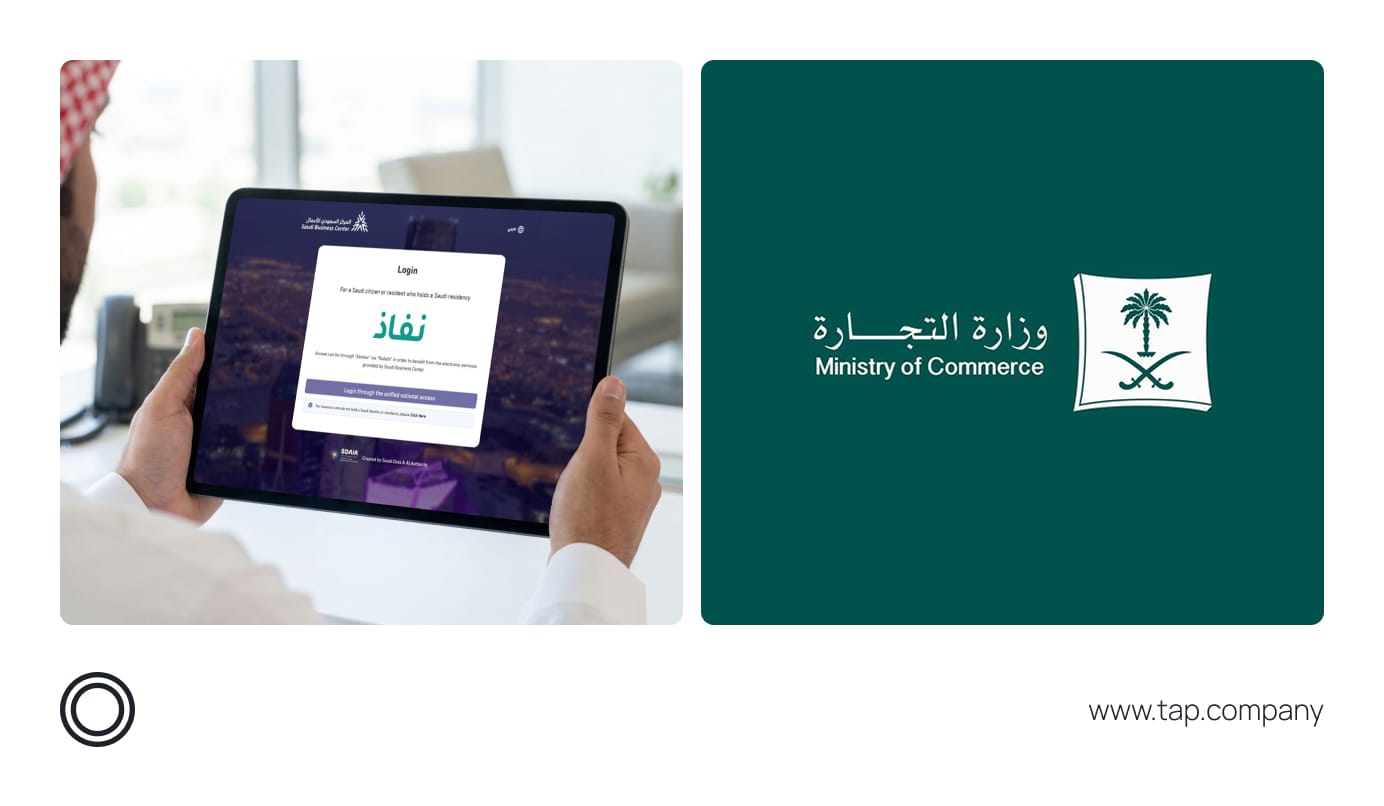
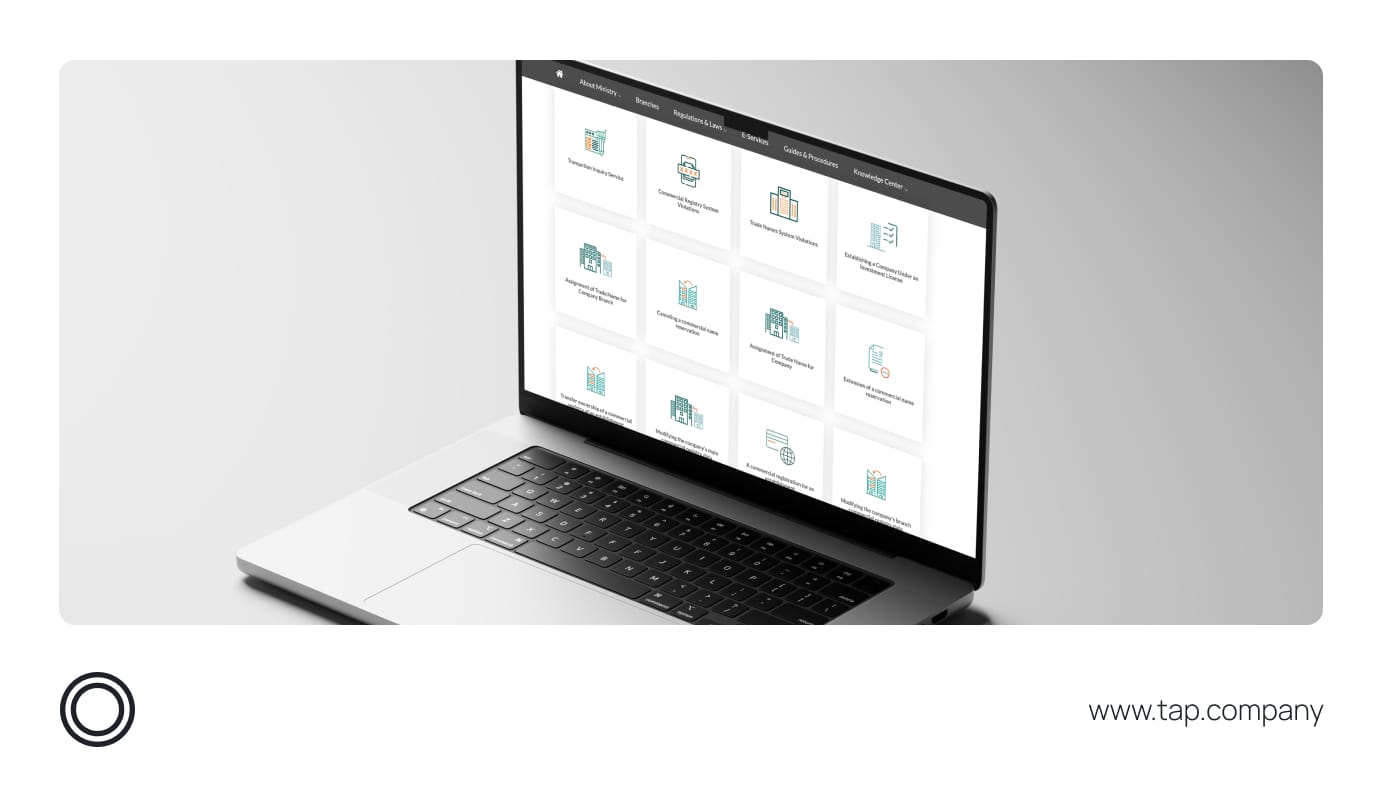
Use the Ministry of Commerce list to select the correct category.
Keep in mind that it’s possible to enable various activities for establishments in one commercial registry in the same region to facilitate the business sector as per the Saudi Ministry of Commerce, making it easier to operate and expand your business, you just have to follow the guidelines.
Additionally, businesses can update their registered commercial activity to accurately reflect their current operations. This ensures that the information recorded with the Ministry aligns with the establishment’s actual activities. The update can be completed through this link.
Legal Structures
Once that is done you can go ahead and choose the appropriate legal structure that fits your needs:
- Sole Proprietorship: A business owned and run by one person. It is simple and low-cost to set up, making it ideal for freelancers, consultants, and small businesses. However, the owner has unlimited liability, meaning personal assets may be at risk if the business has debts.
- Limited Liability Company (LLC): A popular and flexible business structure that protects owners’ personal assets. Liability is limited to the amount invested in the company. It is commonly chosen by startups and SMEs seeking legal protection and operational flexibility. In Saudi Arabia, an LLC can have between 1 and 50 shareholders.
- Joint Stock Company: A structure for large businesses where ownership is divided into shares that can be sold to investors. It is suitable for companies seeking significant funding and long-term growth, but requires higher regulatory compliance and transparency.
- Branch of a Foreign Company: A structure that allows an international company to operate in Saudi Arabia without creating a separate legal entity. The parent company keeps full ownership and responsibility, making it suitable for multinationals seeking expansion with centralized control.
For eCommerce businesses, an LLC is the most preferred structure due to legal and operational flexibility.
Step 2: Reserve a Business Name
You must select a unique business name that complies with Saudi regulations:
- Visit the Ministry of Commerce (MCI) portal to check name availability.
- Your business name must follow these rules: The business name must be in Arabic or have an Arabic equivalent translation. It should not include any religious, political, or offensive words.
- Avoid restricted words: Certain words, such as "Saudi," "Kingdom," or terms associated with government institutions, require special approval.
- Distinctiveness matters: Your business name must not be identical or too similar to an existing registered name.
- Trademark consideration: If you plan to register a trademark, ensure your business name is not already protected under intellectual property laws.
- Reservation period: Once approved, the business name is reserved for 60 days, during which you must complete the business registration process.
Considerations for English Business Names
- An English name must have an officially approved Arabic translation.
- The Arabic translation should closely match the meaning of the English name.
- The name must not contain informal or slang words.
- Avoid generic names like “Best Services” or “Tech Solutions”.
Following these guidelines ensures that your business name meets Saudi legal requirements and avoids unnecessary delays during the registration process.
Step 3: Prepare Required Documents
Depending on whether you are a Saudi national or an expatriate, different documents will be required.
For Saudi Nationals
- Copy of National ID
- Proof of Address
- Draft of the Articles of Association (AoA) (if applicable)
For Expatriates
- Copy of Passport
- Proof of Address
- Financial Statements of the parent company (if applicable)
- Certified copy of the Commercial Registration of the parent company (for foreign investors)
- Draft of the Articles of Association (AoA)
For eCommerce businesses, additional requirements may include domain name registration and proof of an operational online platform.
Step 4: Obtain Necessary Licenses
Your license depends on what your business actually does.
For Traditional Businesses
- Saudi Nationals: Apply for a business license through the Ministry of Commerce.
- Expatriates: Obtain an investment license from the Ministry of Investment of Saudi Arabia.
Types of Licenses
Service License
This license is required for businesses offering professional services such as IT, marketing, consulting, legal, and financial services. Applicants must provide proof of qualifications, prior experience, and regulatory approvals specific to their industry.
Example: A digital marketing agency owned by an expatriate would need a Service License from MISA and additional certifications from relevant Saudi regulatory bodies.
Industrial License
Businesses engaged in manufacturing, industrial production, and large-scale fabrication require an Industrial License. This type of license involves additional approvals from the Ministry of Industry and Mineral Resources and environmental agencies to ensure compliance with safety and operational regulations.
Example: A company setting up a factory for food production must first obtain an Industrial License and comply with the Saudi Food and Drug Authority (SFDA) regulations.
Trading License
This license is required for businesses involved in importing, exporting, wholesale, or retail trade. Expatriates must apply for a Foreign Investment License under this category, and certain trade activities may require a Saudi partner.
Example: A foreign company looking to open a chain of retail stores in Saudi Arabia must obtain a Trading License, register with Saudi Customs, and ensure VAT compliance under ZATCA.
For eCommerce Businesses
In addition to traditional business licenses, eCommerce businesses require specific registrations:
- eCommerce License: Issued by the Ministry of Commerce through their online portal, this license allows businesses to legally operate and sell products/services online.
- E-Maar (eCommerce) Registration: Required for businesses conducting online sales to ensure consumer protection and compliance with Saudi eCommerce laws.
- Domain Name Registration: If operating under a local brand, businesses should secure a .sa domain from the Communications, Space & Technology Commission (CST).
- Chamber of Commerce Membership: Most businesses, including eCommerce, must register with their local Chamber of Commerce to obtain official recognition and access to trade benefits.
By selecting the correct license and fulfilling regulatory requirements, businesses in Saudi Arabia can operate legally and take advantage of the growing market opportunities in both traditional and digital sectors.
Step 5: Draft and Notarize the Articles of Association (AoA)
The AoA is an essential document outlining the company’s ownership, management structure, and capital distribution. It must be:
- Drafted according to Saudi regulations
- Notarized by an approved notary
- Registered with the Ministry of Commerce
Step 6: Obtain a Commercial Registration (CR)
Once all approvals and notarizations are completed, apply for a Commercial Registration (CR) from the Ministry of Commerce. This official document legally recognizes your business entity in Saudi Arabia.
Step 7: Register for Taxation and VAT
All businesses must register with the Zakat, Tax and Customs Authority (ZATCA):
- VAT Registration: Required for businesses exceeding the annual revenue threshold. For example, businesses generating more than SAR 375,000 annually must register for VAT to comply with ZATCA regulations.
- Tax Identification Number (TIN): Necessary for tax compliance. This number is used for filing taxes, tracking business transactions, and ensuring regulatory adherence. For instance, companies engaging in cross-border trade must provide their TIN for customs clearance.
Step 8: Open a Corporate Bank Account
A corporate bank account is necessary for business transactions. Requirements include:
- Commercial Registration Certificate
- Tax Registration Certificate
- Shareholder information (if applicable)
Step 9: Set Up Your Business Operations
- For traditional businesses: secure office space and hire employees as needed. This may include renting a commercial property and ensuring compliance with local zoning and labor laws.
- For eCommerce businesses: develop a secure and user-friendly online platform. This involves choosing a reliable eCommerce platform such as Shopify, and setting up a payment system that supports local methods like mada, wallets, and cards. This is where many businesses slow down if not planned early. This is how Tap Payments can help, and optimizing the website for user experience including multiple payment options, and mobile-friendly design to ensure smooth customer transactions.
Step 10: Obtain Additional Permits (If Required)
Certain industries may require additional permits:
- Health and Safety Permits: For food, healthcare, and hospitality sectors.
- Municipal Licenses: For physical stores and offices.
- Financial Licenses: For fintech and banking services.
Labor Laws and Employment Regulations in Saudi Arabia
When setting up a business in Saudi Arabia, understanding labor laws is essential to ensure compliance with employment regulations. The Kingdom enforces labor laws that govern both Saudi nationals and expatriate employees, ensuring fair treatment, proper contracts, and legal employment practices.
Key Considerations for Hiring Employees in Saudi Arabia
- Written contracts are mandatory.
- Standard workweek is 48 hours.
- Overtime must be paid.
- Health insurance is required for all employees.
- End of service benefits apply.
Hiring Saudi Nationals vs. Expatriates
For Saudi Nationals
- Hiring Saudis helps businesses meet Nitaqat requirements, increasing access to government contracts and incentives.
- Saudi employees are entitled to General Organization for Social Insurance (GOSI) benefits, including pension plans and workplace injury compensation.
- Employers must contribute to GOSI on behalf of their Saudi employees at a rate of 12% of the employee’s salary.
For Expatriates
- Employers must sponsor expatriates under the Saudi Iqama (residency) system.
- Expatriate work visas must be obtained through the Ministry of Human Resources and Social Development (HRSD) and require employer sponsorship.
- Employers must cover expat visa costs, residency permit (Iqama) fees, and recruitment expenses.
- Expat employees are not eligible for GOSI pension benefits but must be provided with medical insurance.
- Businesses in specific industries may face restrictions on hiring expatriates due to Saudization policies.
Termination and Employee Rights
- Employers can only terminate employees with valid legal reasons and proper notice periods (typically 30-60 days).
- Unjustified termination can lead to labor disputes, requiring mediation through the Saudi Labor Courts.
- Employees are entitled to compensation for unfair dismissal based on their contract terms and labor laws.
For more details, refer to the Saudi Ministry of Human Resources and Social Development (HRSD).
Freelancing in Saudi Arabia: Registration and Compliance
Freelancing is growing in Saudi Arabia, especially in digital and professional services.
The Saudi government supports freelancers under the Freelance Work Platform.
Do Freelancers Need to Register?
Yes. To legally operate as a freelancer in Saudi Arabia, individuals must obtain a Freelance Work License issued by the Ministry of Human Resources and Social Development (HRSD) (https://freelance.sa).
It's important to highlight that this license is currently available only to Saudi nationals aged between 18 and 60. Expatriates are generally not eligible for this.
Steps to Register as a Freelancer
- Create an Account on the Freelance Work Platform.
- Choose a Specialization: Freelancers can register in multiple fields, such as programming, writing, translation, and design.
- Upload Required Documents:
- Saudi ID.
- Proof of experience or qualification in the selected field, such as a portfolio, client testimonials, or professional certifications. For example, a graphic designer might submit previous design projects, while a software developer could provide links to their GitHub repository or completed app projects.
- Obtain the Freelance License: Once approved, the license is valid for a set period and allows individuals to work legally as self-employed professionals.
Benefits of Freelance Registration
- Legal Protection: Operate as an officially recognized freelancer.
- Access to Government and Corporate Contracts: Many companies and agencies require freelancers to have official registration.
- Bank Account and Financial Services: Eligibility for business-related banking services and loans.
- Tax Compliance: Avoid legal penalties by ensuring proper VAT and income tax registration where applicable.
Freelancers must also adhere to tax regulations set by ZATCA. If annual earnings exceed SAR 375,000, freelancers must register for VAT.
Entities Supporting Startups and Newcomers in Saudi Arabia
Saudi Arabia has a growing ecosystem for startups, so If you're looking to start a business in Saudi Arabia, the government has your back with a range of entities and initiatives designed to support newcomers. From launching and building to expanding your business, these programs provide the guidance and resources you need. Here’s a list of the most essential ones:
1. Monsha’at (Small & Medium Enterprises General Authority)
- What they do: Monsha’at provides financial support, training, and regulatory assistance for SMEs and startups.
- Key Programs: SME loan programs, business incubators, and training workshops.
2. Saudi Venture Capital Company (SVC)
- What they do: SVC focuses on investing in startups through venture capital and private equity funds.
- Key Programs: Co-investment programs with VCs and funding for high-growth startups.
- Website: https://svc.com.sa
3. BADIR Program for Technology Incubators
- What they do: BADIR provides technology-focused incubation services, office spaces, and mentorship.
- Key Programs: Startup acceleration, funding opportunities, and R&D support.
- Website: https://badir.sa
4. King Abdullah University of Science and Technology (KAUST) Entrepreneurship Center
- What they do: Supports research-based startups and deep tech innovation.
- Key Programs: Seed funding, business mentorship, and global networking opportunities.
- Website: https://innovation.kaust.edu.sa
5. Misk Foundation
- What they do: Misk supports youth entrepreneurship through investment and mentorship programs.
- Key Programs: Startup acceleration, leadership training, and networking events.
- Website: https://misk.org.sa
6. Riyadh Chamber of Commerce Startup Support
- What they do: Provides local businesses and entrepreneurs with legal, financial, and advisory services.
- Key Programs: Business setup support, networking events, and funding facilitation.
- Website: https://chamber.sa
7. Fintech Saudi
- What they do: Supports startups in the financial technology sector.
- Key Programs: Regulatory guidance, fintech sandbox programs, and networking events.
- Website: https://fintechsaudi.com
By leveraging these resources, entrepreneurs can access funding, mentorship, and essential business services to successfully launch and grow their startups in Saudi Arabia.
Next Steps
Starting a business in Saudi Arabia, whether as a traditional enterprise or an eCommerce venture, involves structured steps and compliance with regulations. By following this guide, entrepreneurs can navigate the process efficiently and establish their businesses legally in the Kingdom.
For additional assistance, consult with local business advisors or visit the official portals of the Ministry of Commerce, MISA, and ZATCA for up-to-date information.
Once your business is set up, the next step is accepting payments.
Most businesses underestimate how complex this gets in Saudi, especially with local methods and compliance.
Talk to our team and get it right from day one.
Merchant Questions
Q1- How long does it take to start a business in Saudi Arabia?
The timeline depends on the business structure and whether foreign investment approval is required.
Typical timeline:
- Reserve business name: same day
- MISA investment license (for foreign owners): 3–10 business days
- Draft and notarize Articles of Association: 1–3 days
- Commercial Registration (CR) issuance: 1–2 days
- VAT registration (ZATCA): 1–3 days
- Opening corporate bank account: 1–4 weeks
Q2. What are the main steps to register a company in Saudi Arabia?
The company registration process typically follows these steps:
- Define business activity and legal structure.
- Reserve trade name.
- Obtain foreign investment license (if applicable).
- Draft Articles of Association.
- Issue Commercial Registration (CR).
- Register for VAT with ZATCA.
- Open a corporate bank account.
- Set up operations.
Q3. What are common mistakes when setting up a business in Saudi Arabia?
Some common issues include:
- Selecting the wrong business activity in the Commercial Registration.
- Mismatch between MISA license activity and CR activity.
- Delaying VAT registration.
- Misunderstanding Saudization requirements.
- Choosing an unsuitable legal structure.
- Not preparing required documents in advance.
- Underestimating bank account opening time.
Planning each step carefully helps avoid delays.
Q4. Do eCommerce businesses require special licenses in Saudi Arabia?
eCommerce businesses must get a Commercial Registration that includes online trading activities and comply with the Saudi eCommerce law.
Important considerations include:
- Displaying clear refund and return policies.
- Providing business contact details.
- Protecting customer data.
- Complying with consumer protection regulations.
- Enabling locally preferred payment methods such as mada and digital wallets.
Q5. Are there special considerations for fintech companies?
Fintech businesses may require additional approvals depending on the activity.
Regulatory requirements may include:
- Licensing or sandbox participation through SAMA.
- Compliance with payment security standards.
- Data protection requirements.
- Integration with locally approved payment infrastructure.
Working with licensed payment providers can simplify compliance requirements.
Q6. Can international companies operate in Saudi Arabia without a local partner?
In many sectors, international companies can operate in Saudi Arabia without a local partner by obtaining approval from the Ministry of Investment. Companies typically establish a Limited Liability Company (LLC) or a Branch of a Foreign Company. Requirements vary by industry and may include additional approvals, Commercial Registration (CR), tax registration, and compliance with Saudization workforce rules.